
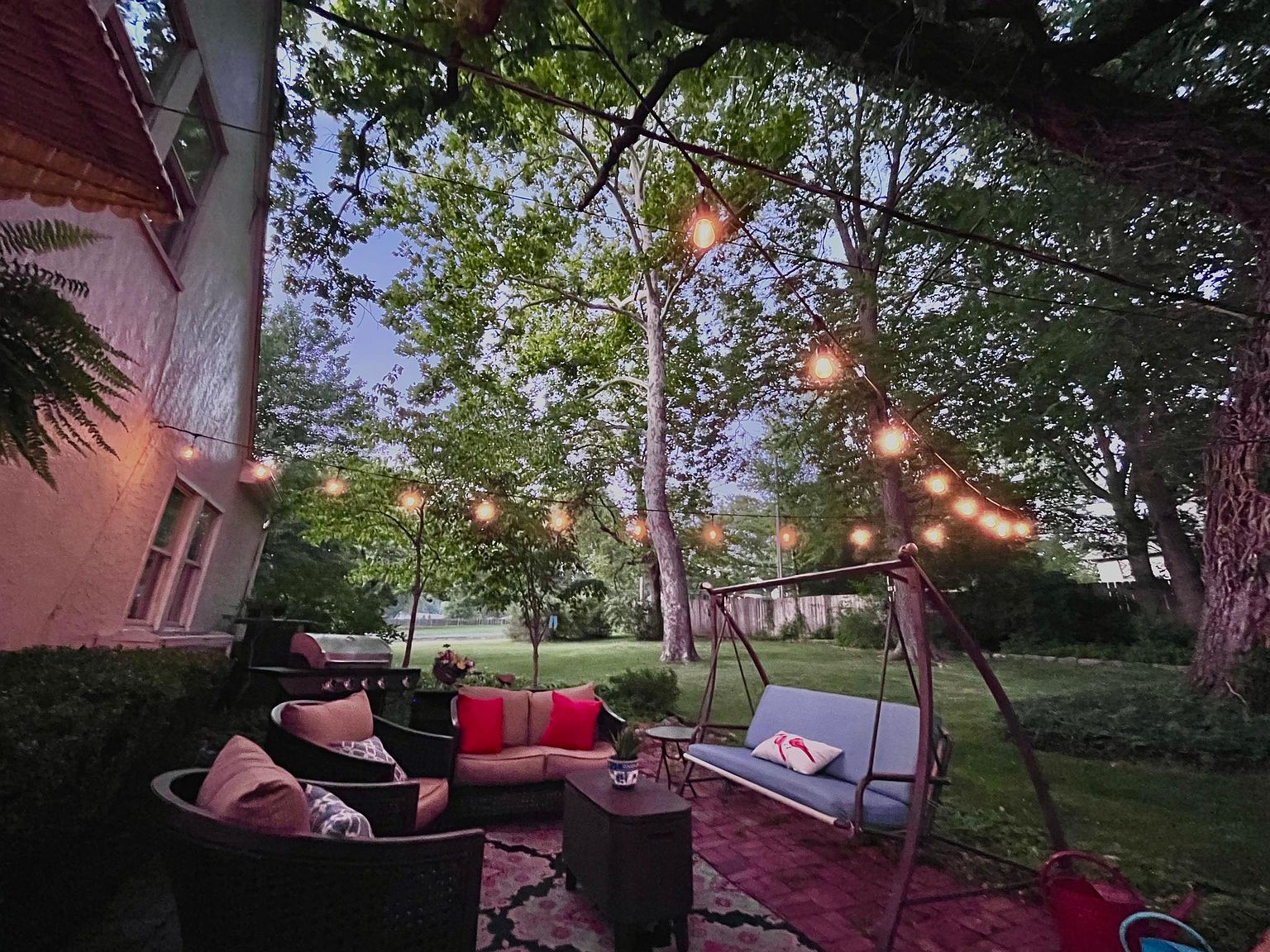
A long production day should end somewhere that feels separate
Film, television, commercial and creative projects can bring people to Kansas City for weeks or months at a time. Early call times, schedule changes and long days make a hotel convenient on paper but tiring in practice. The bed becomes a desk, meals come from the same few nearby options, and there is rarely a quiet room where the day can truly end.
A furnished Kansas City midterm rental creates a residential home base for a stay of 30 days or longer. A full kitchen, laundry, living space and a front door shared with no hotel corridor can give a visiting producer, department lead, performer or small creative team a more normal rhythm without buying furniture or opening utility accounts.
Plan around the people, not only the production dates
Begin with the actual occupants. Count bedrooms according to who needs privacy, not simply the number of beds. Identify vehicles, pets, remote-work needs, likely visitors and whether anyone may arrive or leave during the run. If a company, coordinator or production office will sign or pay, clarify that process before comparing properties.
Then describe the date range honestly. Production calendars can shift because of location availability, weather, revisions or work that takes longer than expected. Ask how extensions are handled and how much notice is needed. A medium-term rental offers flexibility, but future availability still depends on written reservations rather than an assumed open-ended stay.
Keep housing and production use clearly separate
A home selected for lodging should not automatically be treated as a filming location, wardrobe room, equipment warehouse or gathering place. Ask what residential use allows, disclose the number of occupants, and request separate written permission before planning any activity beyond ordinary living. Never assume that a large room, driveway or attractive yard is available for production operations.
This distinction protects the property and the people trying to rest there. It also prevents a housing decision from quietly becoming a location-management problem. If production use is needed, discuss access, insurance, parking, equipment, neighbors, cleanup and fees with the appropriate parties before making commitments.
Look for the details that make off-hours work
A useful medium-term home supports both recovery and the small amount of work that follows people home. Reliable internet and office space can help with schedules, calls or script review. A complete kitchen and in-home laundry make irregular hours easier. Separate bedrooms and common areas allow one person to sleep while another answers an early message or prepares for the next day.
Parking matters when occupants keep different schedules. So do lighting, stairs, bathroom count, outdoor space and the distance between bedrooms and shared areas. Compare these practical details against the group that will actually stay rather than choosing from photographs alone.
Privacy can matter as much as square footage
Visiting creative professionals may spend the workday surrounded by people. A residential setting can offer a quieter transition afterward, especially when the stay continues for several months. Ask how the home is accessed, what exterior maintenance is arranged, how service needs are handled and which spaces are private to the rental.
Share only the information needed to evaluate the stay. The owner generally needs dates, occupants, vehicles, pets and the responsible contact—not confidential story details, talent information or a production schedule. Clear boundaries make the housing relationship simpler for everyone.
Why Archway Cottage is a natural production-stay option
Archway Cottage offers three bedrooms, two bathrooms, large living areas, office space, an equipped kitchen, in-home laundry, garage and off-street parking. Its wooded hillside setting provides room to decompress, while the sunroom and furnished common spaces give occupants alternatives to working or eating in a bedroom.
The property can be considered for visiting professionals or a small team when the household size, vehicles, dates and intended residential use are a fit. Availability and every proposed use still need to be confirmed; the home’s character does not create automatic permission for filming or production activity.
See photographs and confirmed features for the Archway Cottage furnished midterm rental before requesting availability.
Make the first housing request useful
Send the expected arrival and departure range, number of adults, bedroom needs, vehicles, pets, preferred area and extension possibility. Identify the person who will make decisions and whether the agreement will be personal or company-arranged. If multiple homes are needed, say so at the beginning rather than assuming one property should serve every member of the production.
The goal is not to turn lodging into another production puzzle. It is to give the people working far from home a furnished place where food, laundry, sleep and privacy are already considered—so off-hours can feel like genuine time away from the set.