
When staying home stops being the practical choice
A renovation can begin with an optimistic plan to live around the work. That may be reasonable for one room and a short schedule. It becomes harder when demolition affects the kitchen, the only bathroom, several bedrooms or the systems that make the house usable. Dust barriers, early arrivals, power interruptions and the constant movement of tools can turn every ordinary routine into a negotiation.
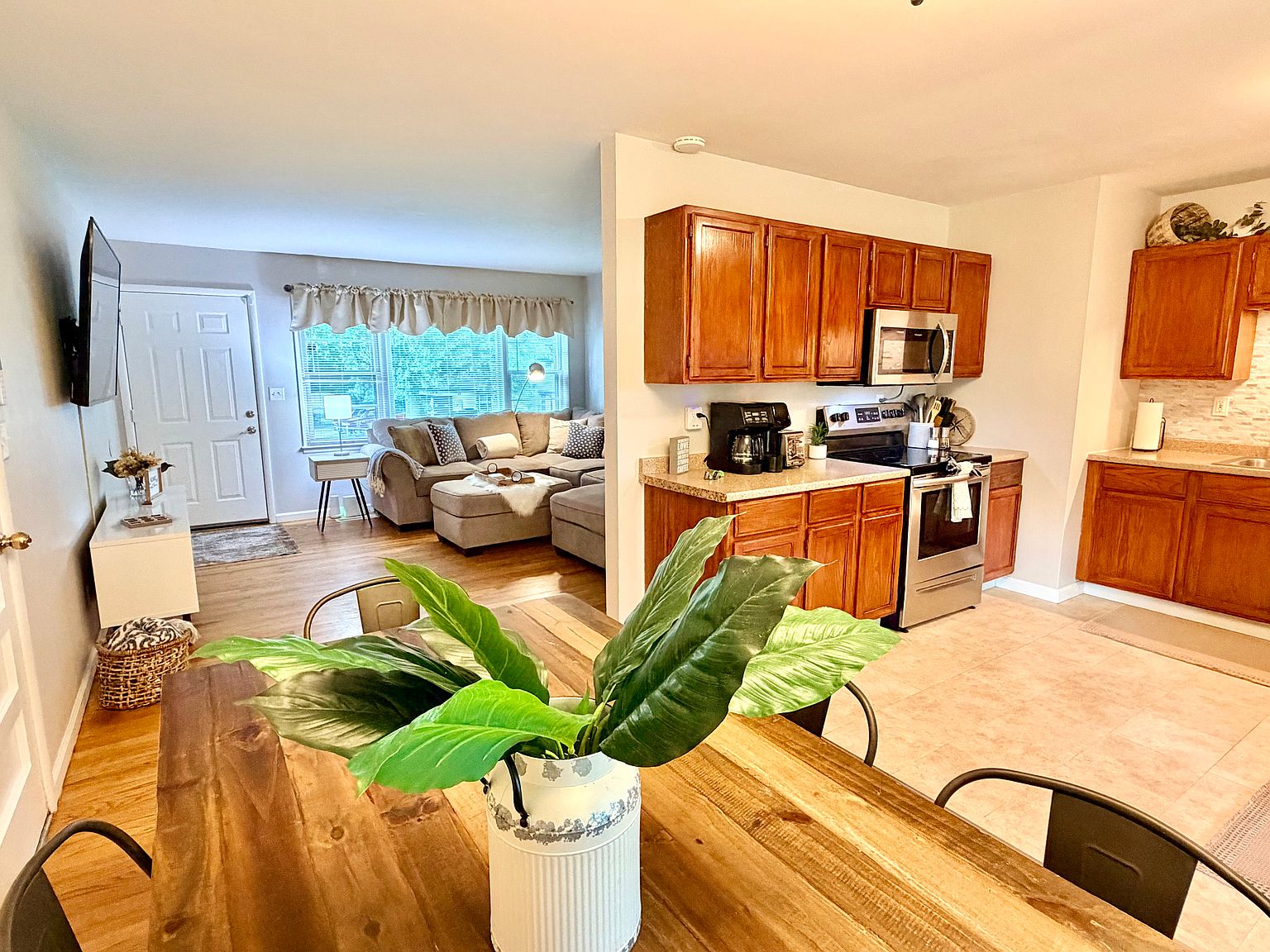
Choosing temporary housing is not an admission that the project has gone wrong. It can be a deliberate way to protect sleep, work, school and family time while contractors have the access they need. A furnished Kansas City midterm rental creates separation between the construction site and the place where daily life continues.
Define the stay before comparing homes
Start with the best available project schedule, then add breathing room. Ask when the home will lose essential functions, when those functions should return and which milestones could move. The answer may be different from the total project duration. A family may only need to relocate during demolition, plumbing work, floor finishing or the weeks when the kitchen is completely unavailable.
Write down the household requirements at the same time: number of bedrooms, workspaces, vehicles, pets, accessibility needs and the general part of Kansas City that keeps school or work manageable. This list prevents a low monthly number from distracting you from a property that will not actually support the stay.
A functioning household matters more than hotel conveniences
Renovation decisions do not pause when you leave the project address. You may still be reviewing materials, answering contractor questions, working a normal day and helping children keep their schedules. A full kitchen, in-home laundry, reliable internet and separate living space make those overlapping responsibilities easier to manage.
Storage and parking deserve attention too. You may arrive with work bags, school supplies, pet equipment and a few items that had to leave the construction area. An attached garage or practical off-street parking can be more useful during a multi-month stay than amenities designed for a weekend visit.
Keep pets and family routines in the plan
Pets often struggle with construction noise, unfamiliar workers and doors opening throughout the day. If they will join the temporary move, disclose them before booking and ask about outdoor space, fencing and any property-specific expectations. Do not assume a furnished home accepts every pet simply because it has a yard.
For children, consider where homework, meals and downtime will happen. Familiar rhythms matter when the permanent home is changing room by room. Enough space to spread out can help the renovation feel like a defined project rather than a disruption that follows everyone into every part of the day.
Plan for the date that refuses to stay fixed
Construction schedules can change when inspections, materials, weather or newly uncovered conditions affect the sequence. Ask the property owner how extensions work, how much notice is helpful and whether another reservation limits flexibility. A clear conversation at the beginning is better than discovering late that the rental cannot cover an added week.
Also ask what the monthly rate includes, how utilities are handled, whether lawn care is arranged and what is expected at move-out. Written details give both sides something reliable to work from while the renovation calendar continues to evolve.
Why Independence House can fit a renovation stay
Independence House offers three furnished bedrooms, a complete kitchen, in-home laundry, an attached two-car garage and a single-level layout. The fenced backyard can be useful for an approved pet, while the living room and dining area give a household room to spend normal time together instead of retreating to separate hotel rooms.
The property is a natural option for an eastern Jackson County household that wants a residential setting during repairs. Availability varies, so the useful first step is sharing the expected dates, household size, vehicles, pets and the part of the renovation schedule that is still uncertain.
Make the temporary move serve the finished project
Pack for the life you will actually live, not for an extended vacation. Bring the daily essentials, important documents, school and work equipment, medications and a limited number of familiar objects. Leave renovation samples and contractor materials organized separately so the rental does not become another jobsite.
The right medium-term rental does more than provide beds. It gives the household a steady base from which to make thoughtful project decisions and return to the renovated home when it is genuinely ready—not simply when everyone has run out of patience.