
The first safe night is not the whole recovery
After a house fire, the first priority is safety. Then comes a quieter but deeply important question: where can your family actually live while inspectors, contractors and insurance representatives work through what happens next? A few hotel nights may solve the immediate problem. They rarely solve the weeks or months that follow.
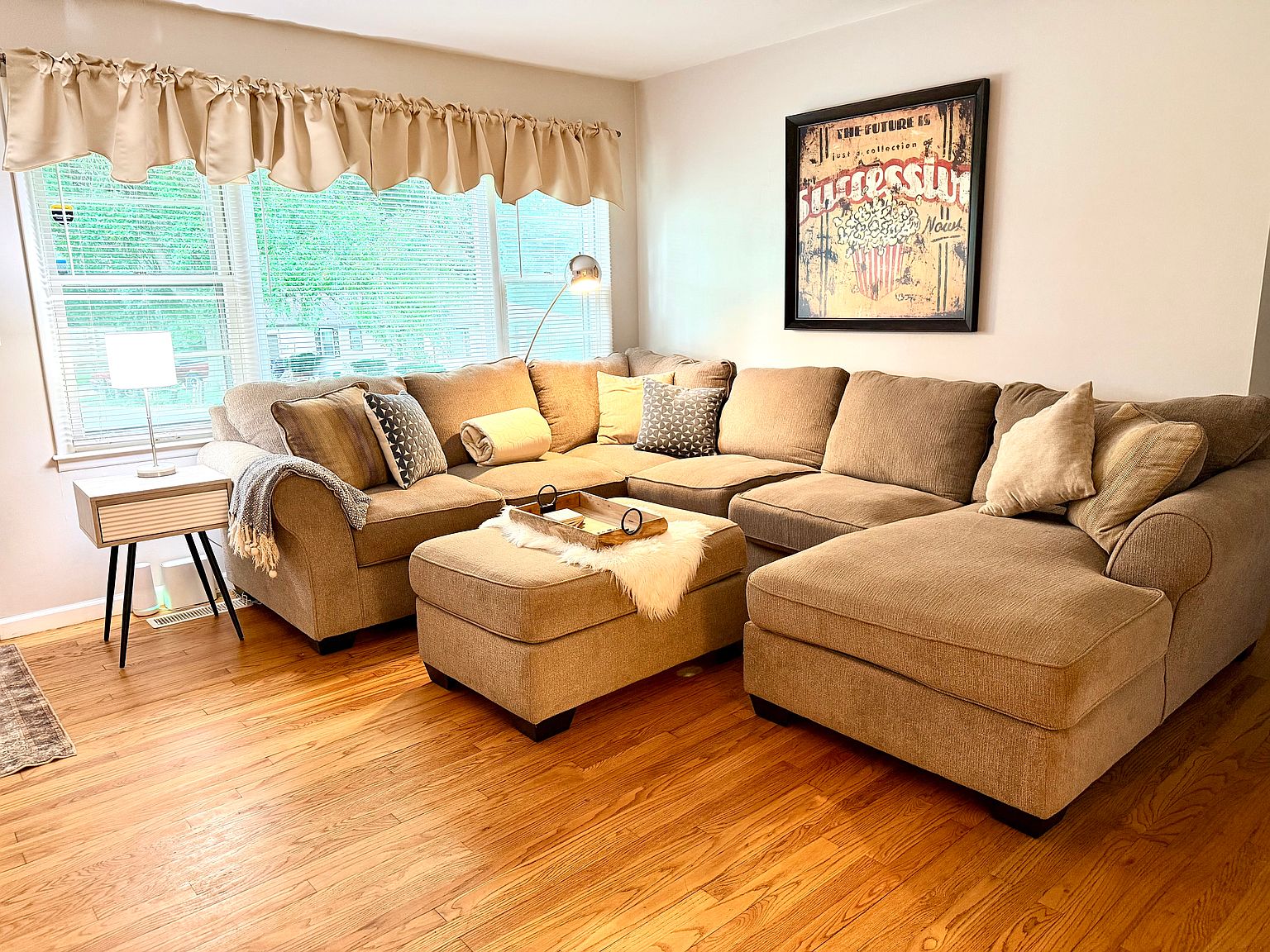
Recovery still includes ordinary life—school mornings, work calls, laundry, groceries, pets and the need to close a bedroom door. Furnished medium-term housing gives those routines a place to return. Instead of living around suitcases, a family can unpack, cook dinner and begin separating the emergency from every other part of the day.
What to look for in temporary fire-displacement housing
Begin with the needs that make the home workable, not merely available. Count bedrooms according to how your family will sleep for several months. Ask about a full kitchen, laundry, internet, parking, outdoor space and whether utilities are already arranged. If pets were part of your household before the fire, include them in the housing request from the beginning.
Independence House offers a single-level layout, three furnished bedrooms, a full kitchen, in-home laundry, an attached two-car garage and a fenced yard. Those details matter when a family needs stability without purchasing furniture or opening a stack of new utility accounts during an already exhausting transition.
Coordinate the details before committing
If an insurance carrier or temporary-housing company is helping with placement, confirm the approved dates, rate, deposit, utility expectations, pet arrangements and extension process in writing. Repair schedules change. A useful rental arrangement should make it clear what happens if the home is restored sooner—or if construction takes longer than originally expected.
The right temporary home does not erase what happened. It creates breathing room while the permanent home is repaired and the family rebuilds its sense of normal.